






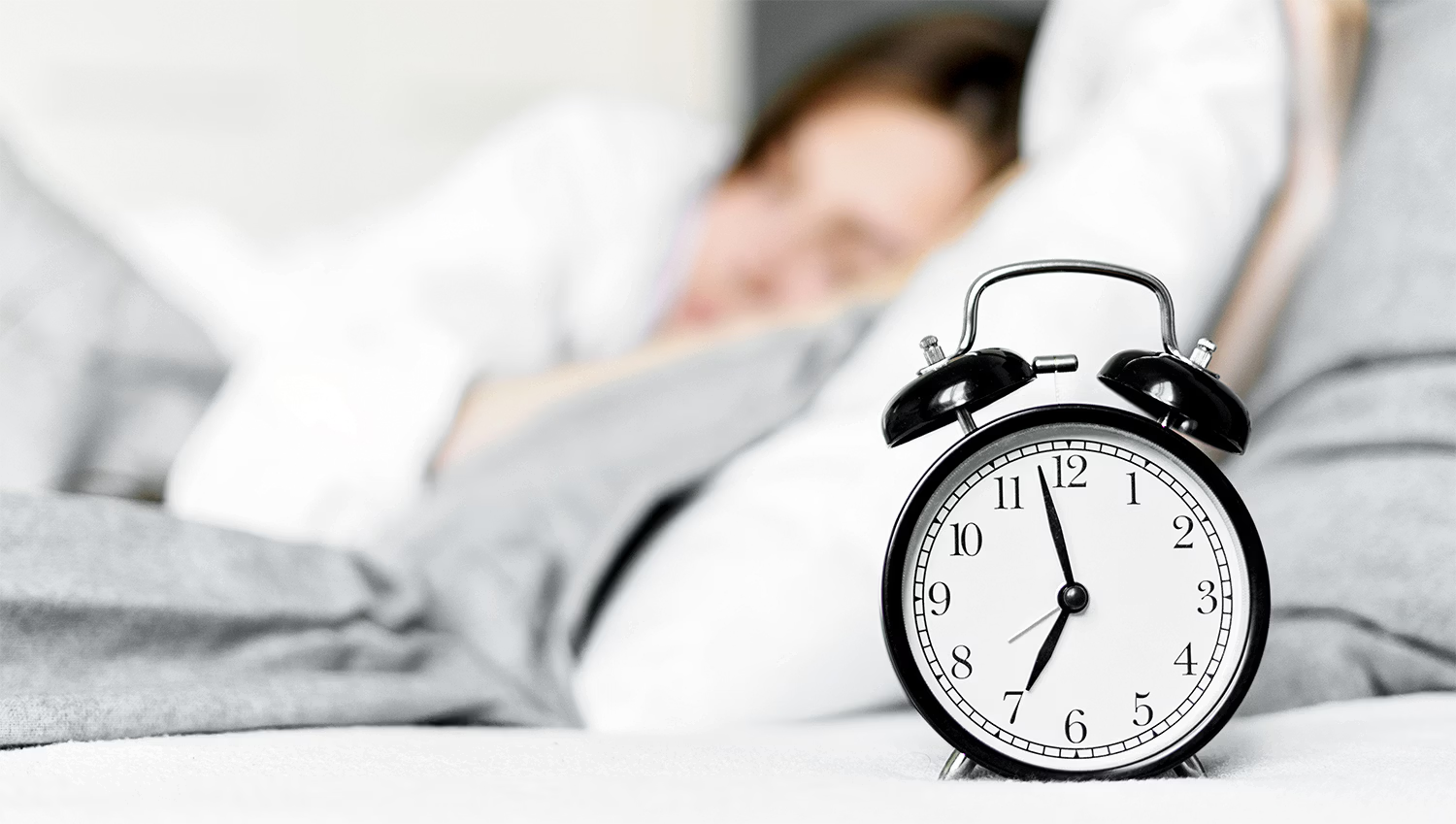
23 Oct Clock change: how it affects your sleep and how to adapt
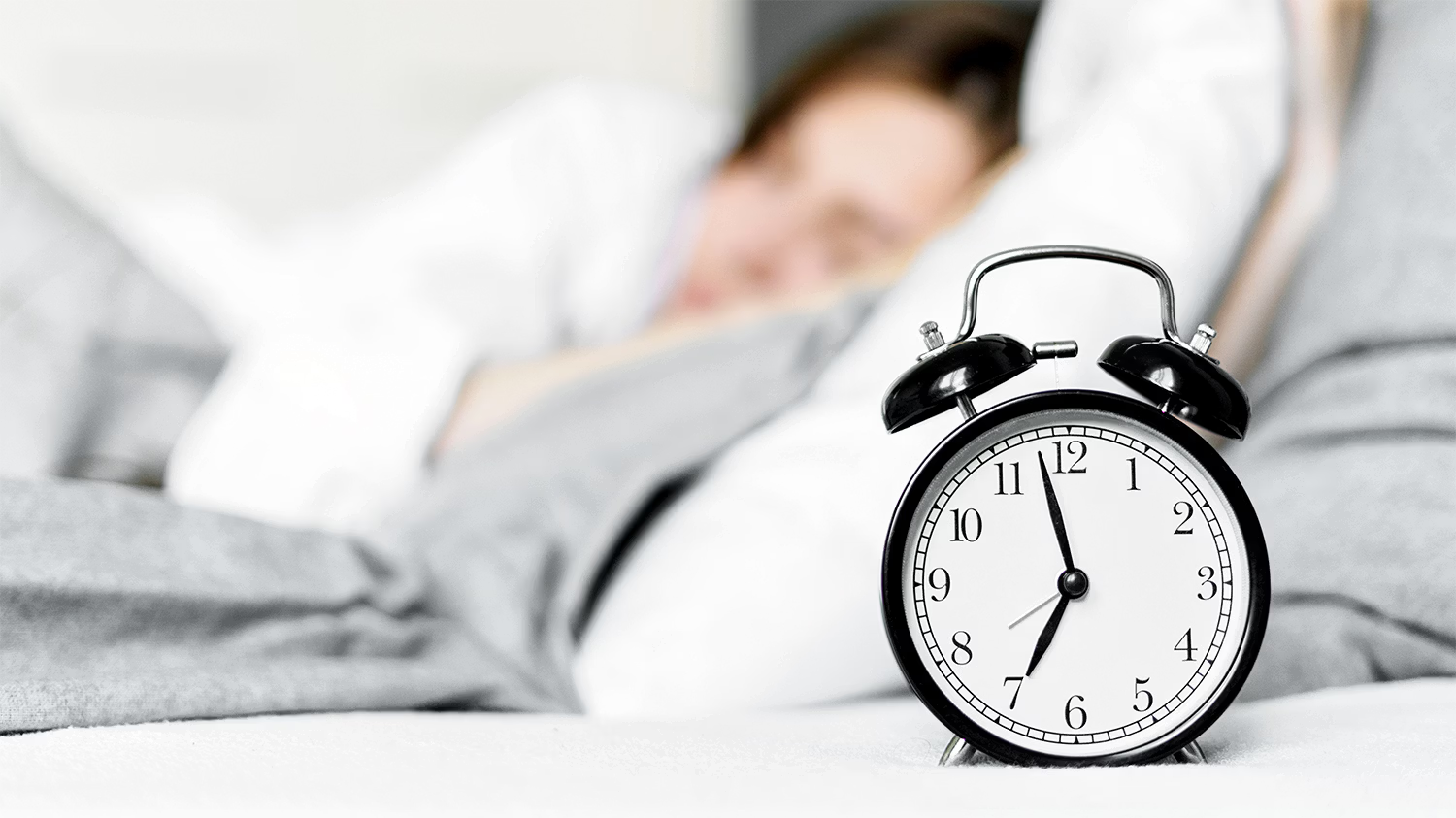
Why is it harder to wake up these days, even if you sleep the same number of hours?
On Sunday, October 25, at 03:00 the clocks will go back to 02:00 (in the Canary Islands, from 02:00 to 01:00). You haven’t slept worse or less, but something has changed: the light.
With the switch to winter time, the sun rises earlier, but it also sets earlier. And although the clock on the wall adjusts instantly, your body takes a few days to learn that night now falls an hour earlier than yesterday. That small mismatch (your body runs on an internal biological clock that is guided, above all, by light) explains the tiredness, the earlier awakenings and the mid-afternoon drowsiness during the first few days.
The real protagonist: less light in the afternoon
Unlike other changes of routine, the mismatch here doesn’t come from going to bed later or getting up earlier: it comes from there being less light available during the hours when you used to still be active. And light is the most powerful signal your body has to know when to release melatonin, the hormone that prepares you for sleep.
When night falls earlier, your body also starts producing it earlier, which can translate into sudden sleepiness at 6 p.m., more apathy at the end of the day, or the feeling that “the afternoon is over” much sooner than usual. In addition, fewer hours of sunlight are associated with a lower mood in many people, something that is especially noticeable in the first weeks of autumn.
Other factors that influence adaptation
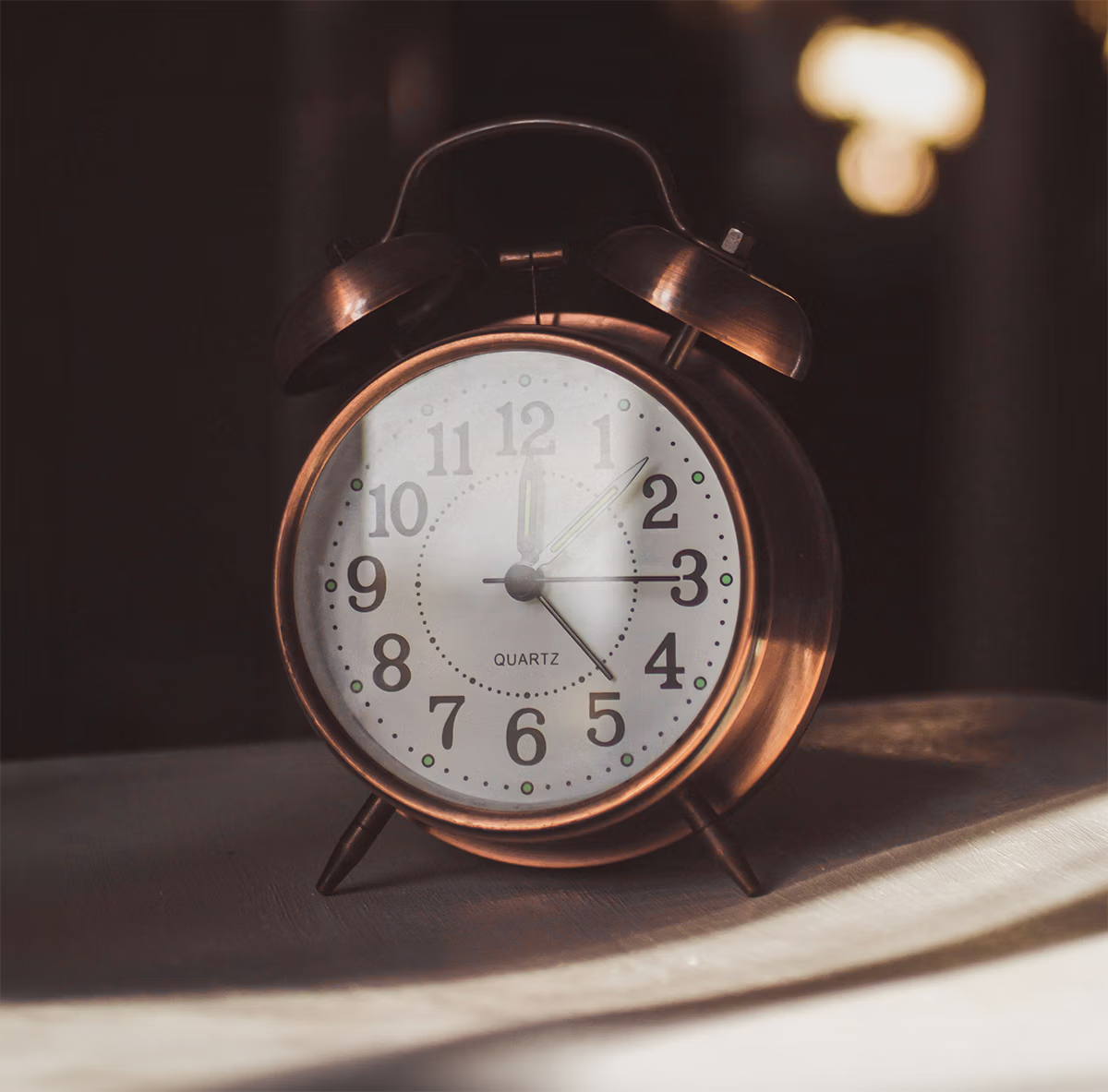
Shifting schedules
Having dinner, exercising or going to bed “at the usual time” now happens an hour earlier for your body. This mismatch is what makes it harder to fall asleep and makes you wake up earlier than planned.

Routines that are more sensitive to change
Children, older adults and people who already have difficulty sleeping tend to notice the adjustment more, because their rhythm depends more on stable schedules.

A bedroom that changes with autumn
With the arrival of cold weather come blankets, heating and closed windows. A bedroom that is too warm or poorly ventilated can add to the time mismatch and worsen your rest.
Practical tips to adapt to the clock change
- Start a few days earlier, pushing back your bedtime and wake-up time by 10–15 minutes each day.
- Seek morning light: going outside or opening the blinds as soon as you get up helps synchronize your internal clock.
- Adjust your dinners to your new schedule and avoid heavy meals or caffeine late in the day.
- Dim the lights at night and cut down on screens before bed, since the evening now gets dark earlier.
- Air out the bedroom for a few minutes before sleeping and keep a pleasant temperature, without overdoing the bedding.

Adapting well means starting autumn with energy
Sleeping well affects concentration, mood and daily energy. Spending a few days preparing for the transition helps make the clock change a mere formality rather than a week of tiredness.
A good sleep environment, an ally in the change of season
Besides habits, the space where we sleep influences how well we adapt. A mattress that maintains a balanced microclimate, with the right support and breathability, helps make your rest truly restorative when light, temperature and schedules change.
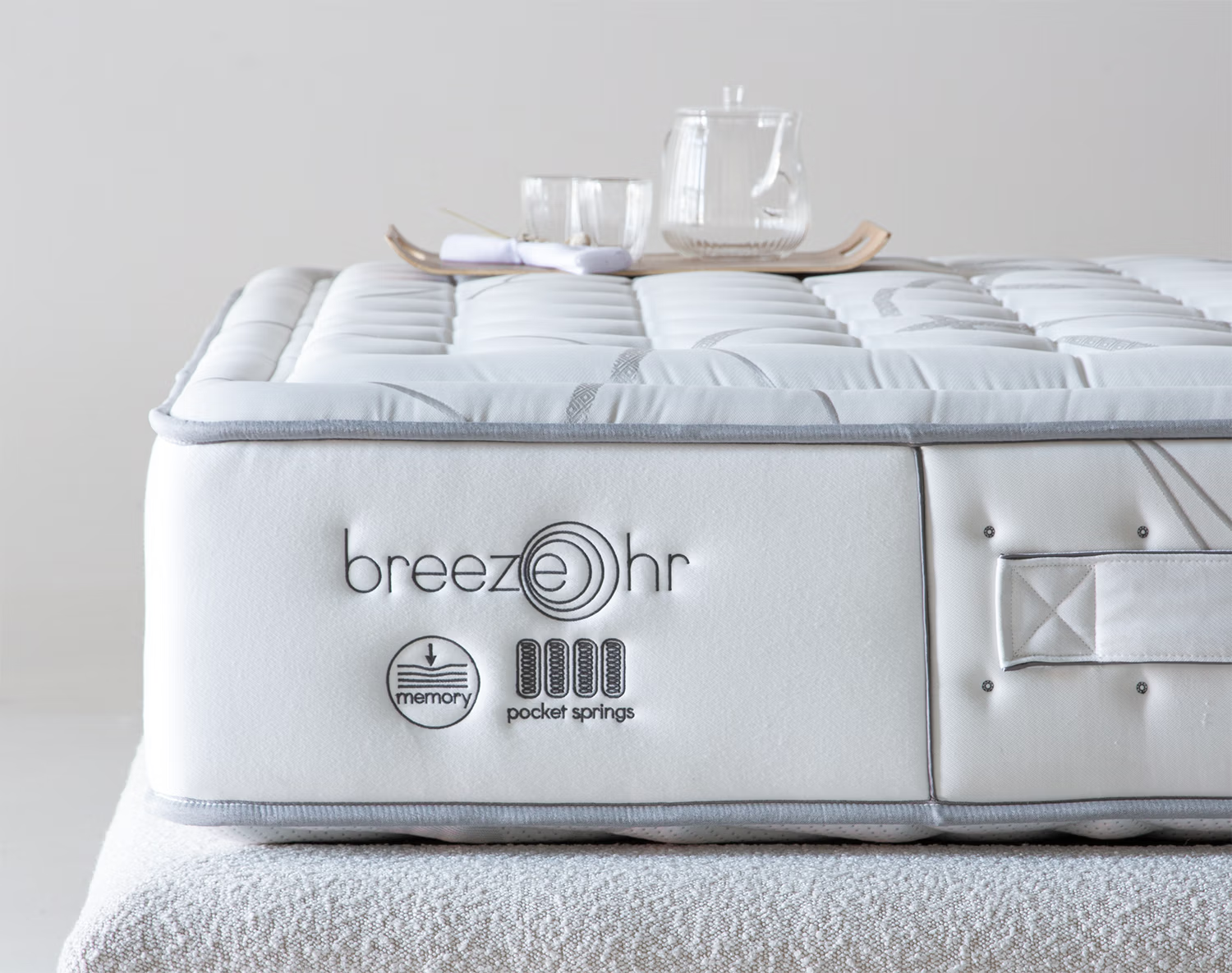
At Karibian we design mattresses with materials and technologies made to support you all year round, including the transition from summer to winter.
Discover Karibian’s materials and collections and find the mattress that suits you best

No Comments